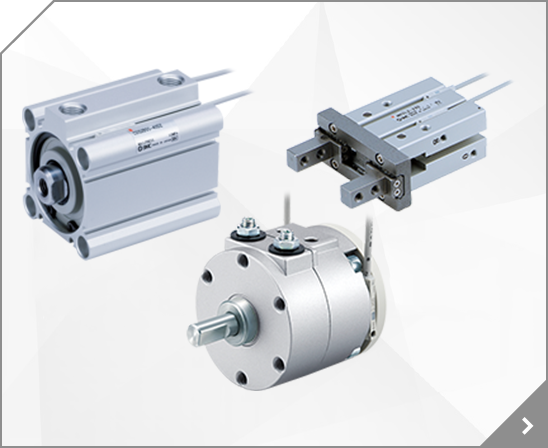


Oscillation Angle A: 190°, Torque (Range)(N⋅m): 3 to Less than 6, Type: Rotary Table 2-Point Stop, Main Body Shape: Block Shape, Operation Method: Single Rack, Rigidity Accuracy: Standard, Environment, Applications: Slow Speed, Allowable Kinetic Energy (Range)(J): 0.01 to Less than 0.1, Tube Nominal Diameter: 30, Valves: Not Provided, Allowable Kinetic Energy(J): 0.048, Operating Pressure
Oscillation Angle A: 190°, Torque (Range)(N⋅m): 3 to Less than 6, Type: Rotary Table 2-Point Stop, Main Body Shape: Block Shape, Operation Method: Single Rack, Rigidity Accuracy: Standard, Environment, Applications: Slow Speed, Allowable Kinetic Energy (Range)(J): 0.01 to Less than 0.1, Tube Nominal Diameter: 30, Valves: Not Provided, Allowable Kinetic Energy(J): 0.048, Operating Pressure
Oscillation Angle A: 190°, Torque (Range)(N⋅m): 3 to Less than 6, Type: Rotary Table 2-Point Stop, Main Body Shape: Block Shape, Operation Method: Single Rack, Rigidity Accuracy: Standard, Environment, Applications: Slow Speed, Allowable Kinetic Energy (Range)(J): 0.01 to Less than 0.1, Tube Nominal Diameter: 30, Valves: Not Provided, Allowable Kinetic Energy(J): 0.048, Operating Pressure
Oscillation Angle A: 190°, Torque (Range)(N⋅m): 3 to Less than 6, Type: Rotary Table 2-Point Stop, Main Body Shape: Block Shape, Operation Method: Single Rack, Rigidity Accuracy: Standard, Environment, Applications: Slow Speed, Allowable Kinetic Energy (Range)(J): 0.01 to Less than 0.1, Tube Nominal Diameter: 30, Valves: Not Provided, Allowable Kinetic Energy(J): 0.048, Operating Pressure
Oscillation Angle A: 190°, Torque (Range)(N⋅m): 3 to Less than 6, Type: Rotary Table 2-Point Stop, Main Body Shape: Block Shape, Operation Method: Single Rack, Rigidity Accuracy: Standard, Environment, Applications: Slow Speed, Allowable Kinetic Energy (Range)(J): 0.01 to Less than 0.1, Tube Nominal Diameter: 30, Valves: Not Provided, Allowable Kinetic Energy(J): 0.048, Operating Pressure
The series is available in bore sizes 6, 10, 16mm and stroke lengths from 1/2in. to 8in.. Mounting options include basic, foot, front flange, and double rear clevis.
The series is available in bore sizes 6, 10, 16mm and stroke lengths from 1/2in. to 8in.. Mounting options include basic, foot, front flange, and double rear clevis.
The cushion volume has been elevated permitting about 30% more allowable kinetic energy absorption. The port and captive cushion adjustment valve are located on the same side of cap for heightened access.
The cushion volume has been elevated permitting about 30% more allowable kinetic energy absorption. The port and captive cushion adjustment valve are located on the same side of cap for heightened access.
The cushion volume has been elevated permitting about 30% more allowable kinetic energy absorption. The port and captive cushion adjustment valve are located on the same side of cap for heightened access.
The cushion volume has been elevated permitting about 30% more allowable kinetic energy absorption. The port and captive cushion adjustment valve are located on the same side of cap for heightened access.
The cushion volume has been elevated permitting about 30% more allowable kinetic energy absorption. The port and captive cushion adjustment valve are located on the same side of cap for heightened access.
The cushion volume has been elevated permitting about 30% more allowable kinetic energy absorption. The port and captive cushion adjustment valve are located on the same side of cap for heightened access.
The cushion volume has been elevated permitting about 30% more allowable kinetic energy absorption. The port and captive cushion adjustment valve are located on the same side of cap for heightened access.
The cushion volume has been elevated permitting about 30% more allowable kinetic energy absorption. The port and captive cushion adjustment valve are located on the same side of cap for heightened access.
The cushion volume has been elevated permitting about 30% more allowable kinetic energy absorption. The port and captive cushion adjustment valve are located on the same side of cap for heightened access.
The cushion volume has been elevated permitting about 30% more allowable kinetic energy absorption. The port and captive cushion adjustment valve are located on the same side of cap for heightened access.
The cushion volume has been elevated permitting about 30% more allowable kinetic energy absorption. The port and captive cushion adjustment valve are located on the same side of cap for heightened access.
The cushion volume has been elevated permitting about 30% more allowable kinetic energy absorption. The port and captive cushion adjustment valve are located on the same side of cap for heightened access.
The cushion volume has been elevated permitting about 30% more allowable kinetic energy absorption. The port and captive cushion adjustment valve are located on the same side of cap for heightened access.