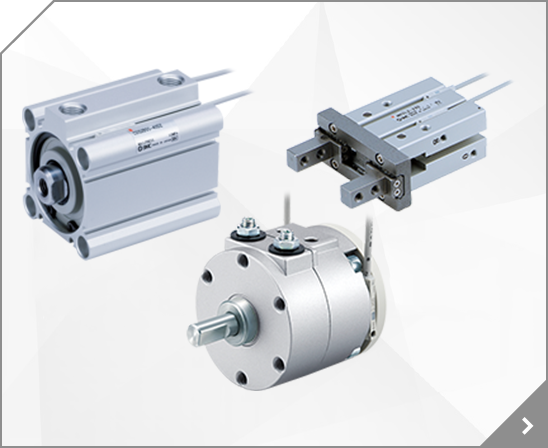


The standard air cushion utilizes a floating cushion seal to eliminate piston rod bouncing. The cushion volume has been elevated permitting about 30% more allowable kinetic energy absorption. The port and captive cushion adjustment valve are located on the same side of cap for heightened access.
The standard air cushion utilizes a floating cushion seal to eliminate piston rod bouncing. The cushion volume has been elevated permitting about 30% more allowable kinetic energy absorption. The port and captive cushion adjustment valve are located on the same side of cap for heightened access.
The standard air cushion utilizes a floating cushion seal to eliminate piston rod bouncing. The cushion volume has been elevated permitting about 30% more allowable kinetic energy absorption. The port and captive cushion adjustment valve are located on the same side of cap for heightened access.
The standard air cushion utilizes a floating cushion seal to eliminate piston rod bouncing. The cushion volume has been elevated permitting about 30% more allowable kinetic energy absorption. The port and captive cushion adjustment valve are located on the same side of cap for heightened access.
The standard air cushion utilizes a floating cushion seal to eliminate piston rod bouncing. The cushion volume has been elevated permitting about 30% more allowable kinetic energy absorption. The port and captive cushion adjustment valve are located on the same side of cap for heightened access.
The standard air cushion utilizes a floating cushion seal to eliminate piston rod bouncing. The cushion volume has been elevated permitting about 30% more allowable kinetic energy absorption. The port and captive cushion adjustment valve are located on the same side of cap for heightened access.
The standard air cushion utilizes a floating cushion seal to eliminate piston rod bouncing. The cushion volume has been elevated permitting about 30% more allowable kinetic energy absorption. The port and captive cushion adjustment valve are located on the same side of cap for heightened access.
The standard air cushion utilizes a floating cushion seal to eliminate piston rod bouncing. The cushion volume has been elevated permitting about 30% more allowable kinetic energy absorption. The port and captive cushion adjustment valve are located on the same side of cap for heightened access.
The standard air cushion utilizes a floating cushion seal to eliminate piston rod bouncing. The cushion volume has been elevated permitting about 30% more allowable kinetic energy absorption. The port and captive cushion adjustment valve are located on the same side of cap for heightened access.
The standard air cushion utilizes a floating cushion seal to eliminate piston rod bouncing. The cushion volume has been elevated permitting about 30% more allowable kinetic energy absorption. The port and captive cushion adjustment valve are located on the same side of cap for heightened access.
The standard air cushion utilizes a floating cushion seal to eliminate piston rod bouncing. The cushion volume has been elevated permitting about 30% more allowable kinetic energy absorption. The port and captive cushion adjustment valve are located on the same side of cap for heightened access.
The standard air cushion utilizes a floating cushion seal to eliminate piston rod bouncing. The cushion volume has been elevated permitting about 30% more allowable kinetic energy absorption. The port and captive cushion adjustment valve are located on the same side of cap for heightened access.
The standard air cushion utilizes a floating cushion seal to eliminate piston rod bouncing. The cushion volume has been elevated permitting about 30% more allowable kinetic energy absorption. The port and captive cushion adjustment valve are located on the same side of cap for heightened access.
The standard air cushion utilizes a floating cushion seal to eliminate piston rod bouncing. The cushion volume has been elevated permitting about 30% more allowable kinetic energy absorption. The port and captive cushion adjustment valve are located on the same side of cap for heightened access.
The standard air cushion utilizes a floating cushion seal to eliminate piston rod bouncing. The cushion volume has been elevated permitting about 30% more allowable kinetic energy absorption. The port and captive cushion adjustment valve are located on the same side of cap for heightened access.
The standard air cushion utilizes a floating cushion seal to eliminate piston rod bouncing. The cushion volume has been elevated permitting about 30% more allowable kinetic energy absorption. The port and captive cushion adjustment valve are located on the same side of cap for heightened access.
The standard air cushion utilizes a floating cushion seal to eliminate piston rod bouncing. The cushion volume has been elevated permitting about 30% more allowable kinetic energy absorption. The port and captive cushion adjustment valve are located on the same side of cap for heightened access.
The standard air cushion utilizes a floating cushion seal to eliminate piston rod bouncing. The cushion volume has been elevated permitting about 30% more allowable kinetic energy absorption. The port and captive cushion adjustment valve are located on the same side of cap for heightened access.
The standard air cushion utilizes a floating cushion seal to eliminate piston rod bouncing. The cushion volume has been elevated permitting about 30% more allowable kinetic energy absorption. The port and captive cushion adjustment valve are located on the same side of cap for heightened access.
Magnet: D (Built-in), Mounting: B (Basic), Cushion: A (Air Cushion), Bore Size: 50 (2"), Stroke: 3000 (30"), Auto Switch: M9NW--Solid State, 2-color Indication, 3 Wire NPN, Horizontal, Lead Wire or Prewired Connector: Z (5m)