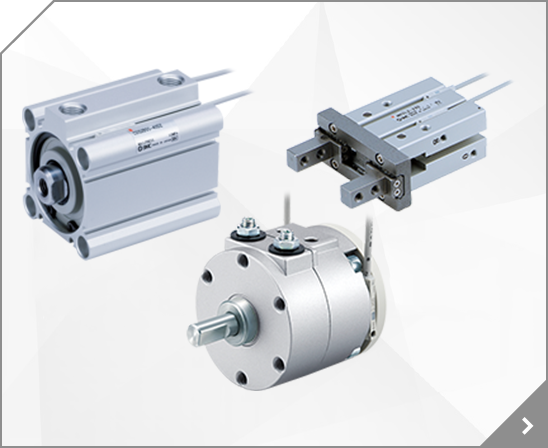
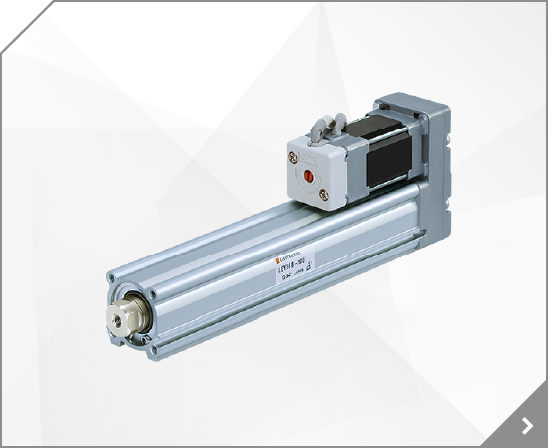


Bore sizes available include 30, 50, 63, 80 and 100mm. Single rod end or double rod end models are available.Standard type rotary actuator, Single or double rod end available, Bore sizes: 50mm ~ 100mm, Mounting types: basic, Auto switch capable, Actuator, Rotary, Rack & Pinion Type, ROTARY ACTUATOR, 0.36 lb
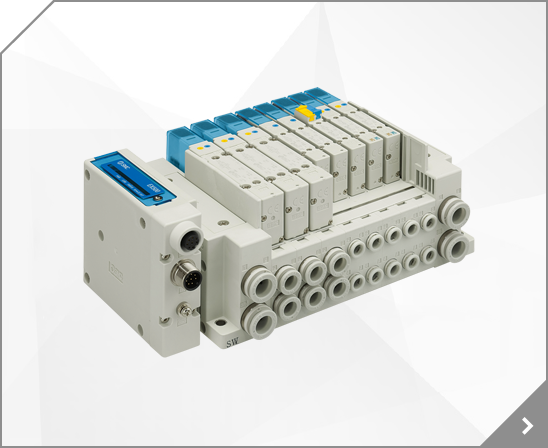
Fluid: air, inert gas, Operating pressure range: 0.1 - 0.7MPa, Effective area mm 2 (Cv): metal seal 2.0 (0.11) - 12.6 (0.7); rubber seal 3.1 (0.17) - 16.2 (0.9), Coil rated voltage: 12, 24VDC; 100, 110, 200, 220VAC, Response time (ms) standard 1W, high pressure 1.5W: metal seal 25 or less; rubber seal 30 or less, Ambient & fluid temperature: -10 to 50°C, 3000 Series 5 Port Valve, 4/5 PORT
Fluid: air/inert gas, Operating pressure range: 0.1 - 0.7MPa (high pressure type 1.0MPa), Effective area mm 2 (Cv): metal seal 2.2 (0.12) - 16.2 (0.9); rubber seal 3.6 (0.2) - 21.6 (1.2), Coil rated voltage: 12, 24VDC; 100, 110, 200, 220VAC, Response time (ms) standard 1W, high pressure 1.5W: metal seal 25 or less; rubber seal 30 or less, Ambient & fluid temperature: -10 to 50° C, 3 Port
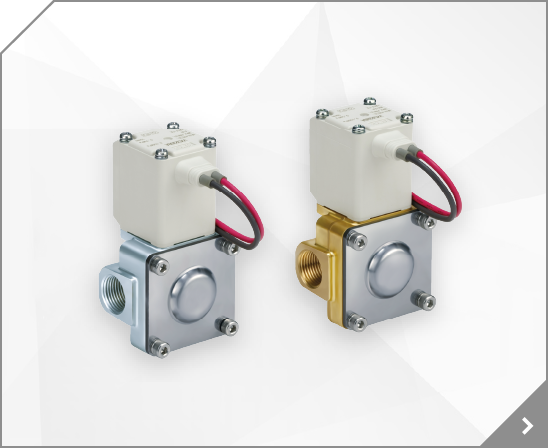
Fluid: air, inert gas, Operating pressure range: 0.1 - 0.7MPa, Effective area mm 2 (Cv): metal seal 2.0 (0.11) - 12.6 (0.7); rubber seal 3.1 (0.17) - 16.2 (0.9), Coil rated voltage: 12, 24VDC; 100, 110, 200, 220VAC, Response time (ms) standard 1W, high pressure 1.5W: metal seal 25 or less; rubber seal 30 or less, Ambient & fluid temperature: -10 to 50°C, 3 Port Body Ported Solenoid Valve
Fluid: air, inert gas, Operating pressure range: 0.1 - 0.7MPa, Effective area mm 2 (Cv): metal seal 2.0 (0.11) - 12.6 (0.7); rubber seal 3.1 (0.17) - 16.2 (0.9), Coil rated voltage: 12, 24VDC; 100, 110, 200, 220VAC, Response time (ms) standard 1W, high pressure 1.5W: metal seal 25 or less; rubber seal 30 or less, Ambient & fluid temperature: -10 to 50°C, 3000 Series 5 Port Valve, 4/5 PORT
The cushion volume has been elevated permitting about 30% more allowable kinetic energy absorption. The port and captive cushion adjustment valve are located on the same side of cap for heightened access.
The cushion volume has been elevated permitting about 30% more allowable kinetic energy absorption. The port and captive cushion adjustment valve are located on the same side of cap for heightened access.
The cushion volume has been elevated permitting about 30% more allowable kinetic energy absorption. The port and captive cushion adjustment valve are located on the same side of cap for heightened access.
The cushion volume has been elevated permitting about 30% more allowable kinetic energy absorption. The port and captive cushion adjustment valve are located on the same side of cap for heightened access.
The cushion volume has been elevated permitting about 30% more allowable kinetic energy absorption. The port and captive cushion adjustment valve are located on the same side of cap for heightened access.
The cushion volume has been elevated permitting about 30% more allowable kinetic energy absorption. The port and captive cushion adjustment valve are located on the same side of cap for heightened access.
The cushion volume has been elevated permitting about 30% more allowable kinetic energy absorption. The port and captive cushion adjustment valve are located on the same side of cap for heightened access.
The cushion volume has been elevated permitting about 30% more allowable kinetic energy absorption. The port and captive cushion adjustment valve are located on the same side of cap for heightened access.
The cushion volume has been elevated permitting about 30% more allowable kinetic energy absorption. The port and captive cushion adjustment valve are located on the same side of cap for heightened access.
The cushion volume has been elevated permitting about 30% more allowable kinetic energy absorption. The port and captive cushion adjustment valve are located on the same side of cap for heightened access.
The cushion volume has been elevated permitting about 30% more allowable kinetic energy absorption. The port and captive cushion adjustment valve are located on the same side of cap for heightened access.
The cushion volume has been elevated permitting about 30% more allowable kinetic energy absorption. The port and captive cushion adjustment valve are located on the same side of cap for heightened access.
The cushion volume has been elevated permitting about 30% more allowable kinetic energy absorption. The port and captive cushion adjustment valve are located on the same side of cap for heightened access.
The cushion volume has been elevated permitting about 30% more allowable kinetic energy absorption. The port and captive cushion adjustment valve are located on the same side of cap for heightened access.
The cushion volume has been elevated permitting about 30% more allowable kinetic energy absorption. The port and captive cushion adjustment valve are located on the same side of cap for heightened access.